
Risk-based testing: check your scores against escaped defects
Take a QA lead whose team uses risk-based testing to plan each sprint. Every story gets a risk score, the team tests the high scorers first, and the low scorers…
You have read this

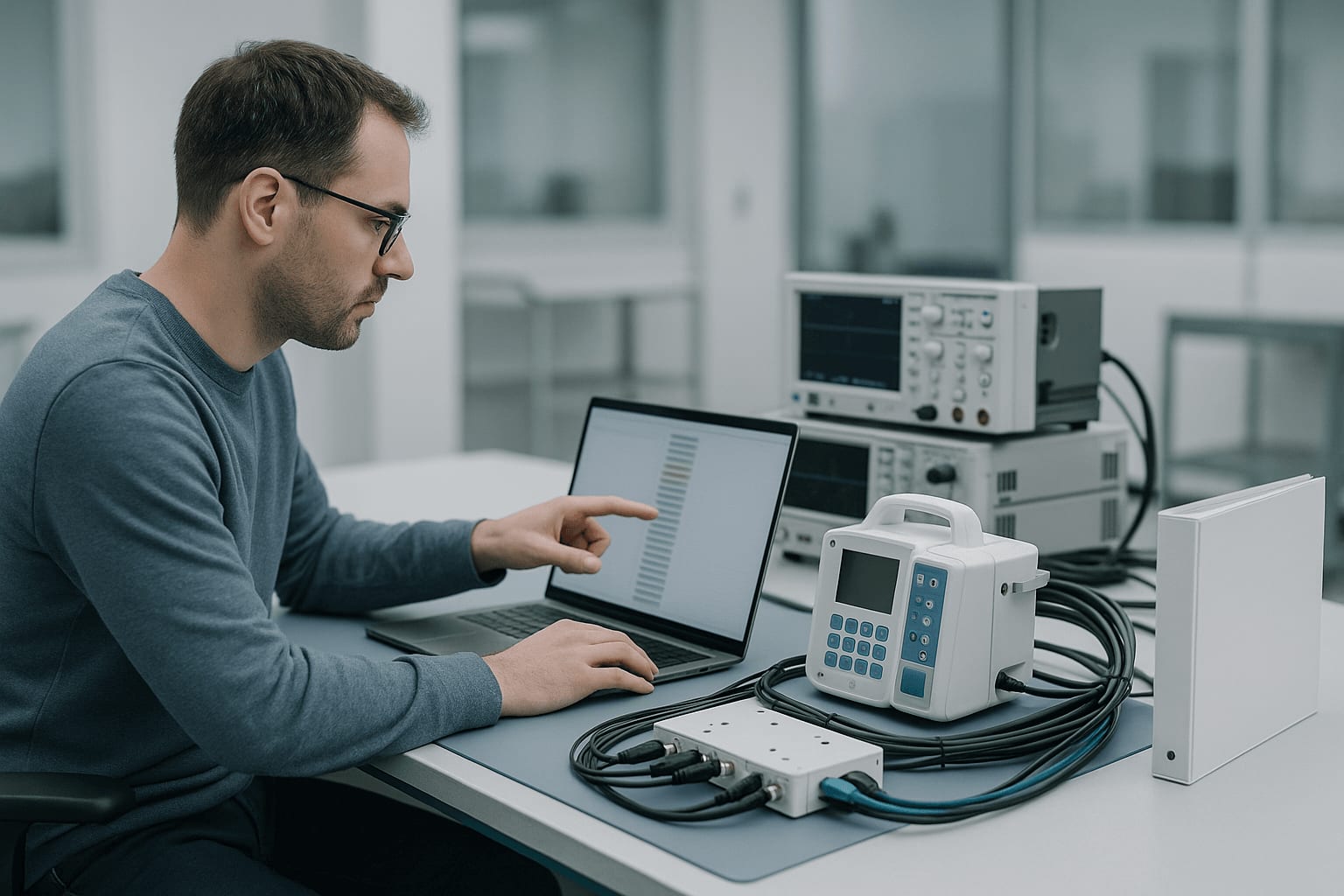
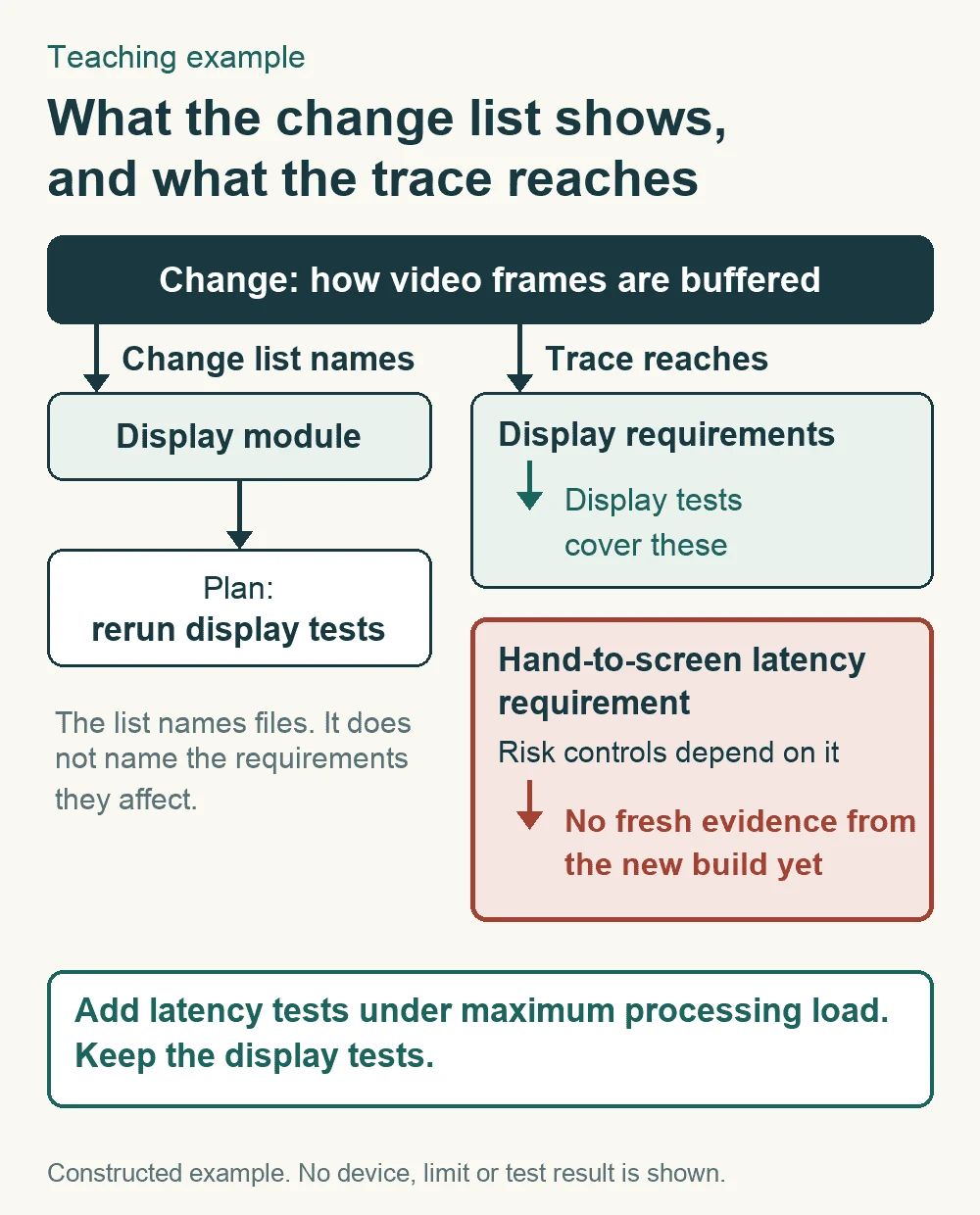
Take a surgical robot whose console software gets an update. The update fixes a stutter in the camera display. It does this by changing how video frames are buffered. The change list names only the display module, so the team plans regression testing of the display tests alone. Before they start, a reviewer asks why that set is enough.
FDA asks a similar question in a draft guidance for robotically assisted surgical devices. RAPS reported on the draft on September 29. RAPS is the Regulatory Affairs Professionals Society, a news source. In FDA's draft, the maker's premarket submission "should explain whether regression testing versus full system testing is appropriate" for the changed software. A premarket submission is what a maker sends FDA before selling a device. The answer depends on the specific set of changes.
The draft is not final, and its recommendations are not binding. It covers only certain devices of that kind. FDA is taking comments until November 24, 2026. The same habit helps with other device software. That is Nopmark's teaching view, not an FDA rule for those devices.
A change list shows which files changed but not which requirements they affect. In the example, the buffering change sits in the display module. But buffering can change the delay between the surgeon's hand movement and the picture on screen. The device may therefore have a delay requirement that the change reaches.
FDA calls this delay latency. Its draft says testing should show that latency stays within limits set in advance and clinically justified. It also says to measure latency in typical use and in worst-case conditions, including maximum processing load.
The draft also says the team should keep a trace from software requirements to design, testing and risk controls. That trace is how the team answers the reviewer. Which requirements does the buffering code touch? Which tests check them, and which risk controls depend on them? In the example, the trace reaches the latency requirement. The display tests alone then leave that requirement without fresh evidence from the new build.
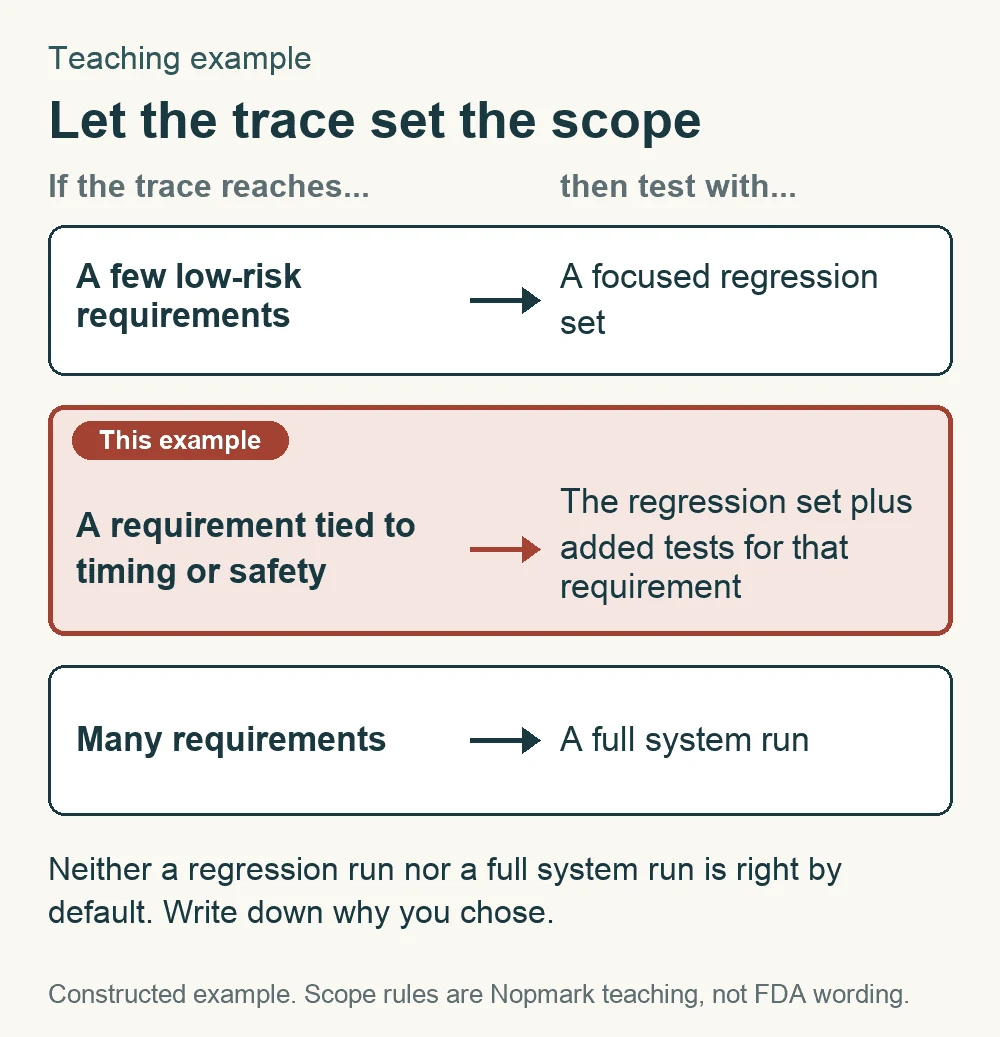
A regression run repeats existing tests. It checks that a change did not break what worked before. A full system run tests the whole device against its requirements. Neither is the right answer by default. If the trace reaches only a few low-risk requirements, a focused regression set may be enough. When it reaches a requirement tied to timing or safety, add tests for it. A change that reaches many requirements may need the full system run.
Here the team keeps the display tests and adds latency tests under worst-case processing load. The pass limit must come from the product's own justified requirement, so no number is given here.
The reason can fit in one paragraph that names the changed code and the requirements the trace reached. It lists the tests selected, the tests not rerun and why, and the software version tested. For the example, it might read like this.
The change alters how the display module buffers video frames. The trace reaches the display requirements and the hand-to-screen latency requirement. We reran the display tests and added latency tests under maximum processing load. We did not rerun tests for functions the trace does not reach. All testing used the release-candidate build, identified by its exact version.
FDA recommends testing the final software version intended for commercial use. Record the exact version beside each result. Then a reviewer can tell which build the evidence describes.
If your testing team wants practice with scope decisions like this one, ask Nopmark about team training for your testing team.
Suppose one anomaly is still open, an occasional frame drop when a monitor is reconnected. FDA's draft recommends ranking unresolved software anomalies by risk and tracing each one. Give this anomaly a risk class and link it to the requirement it affects. A reviewer can then judge whether it matters to this change.
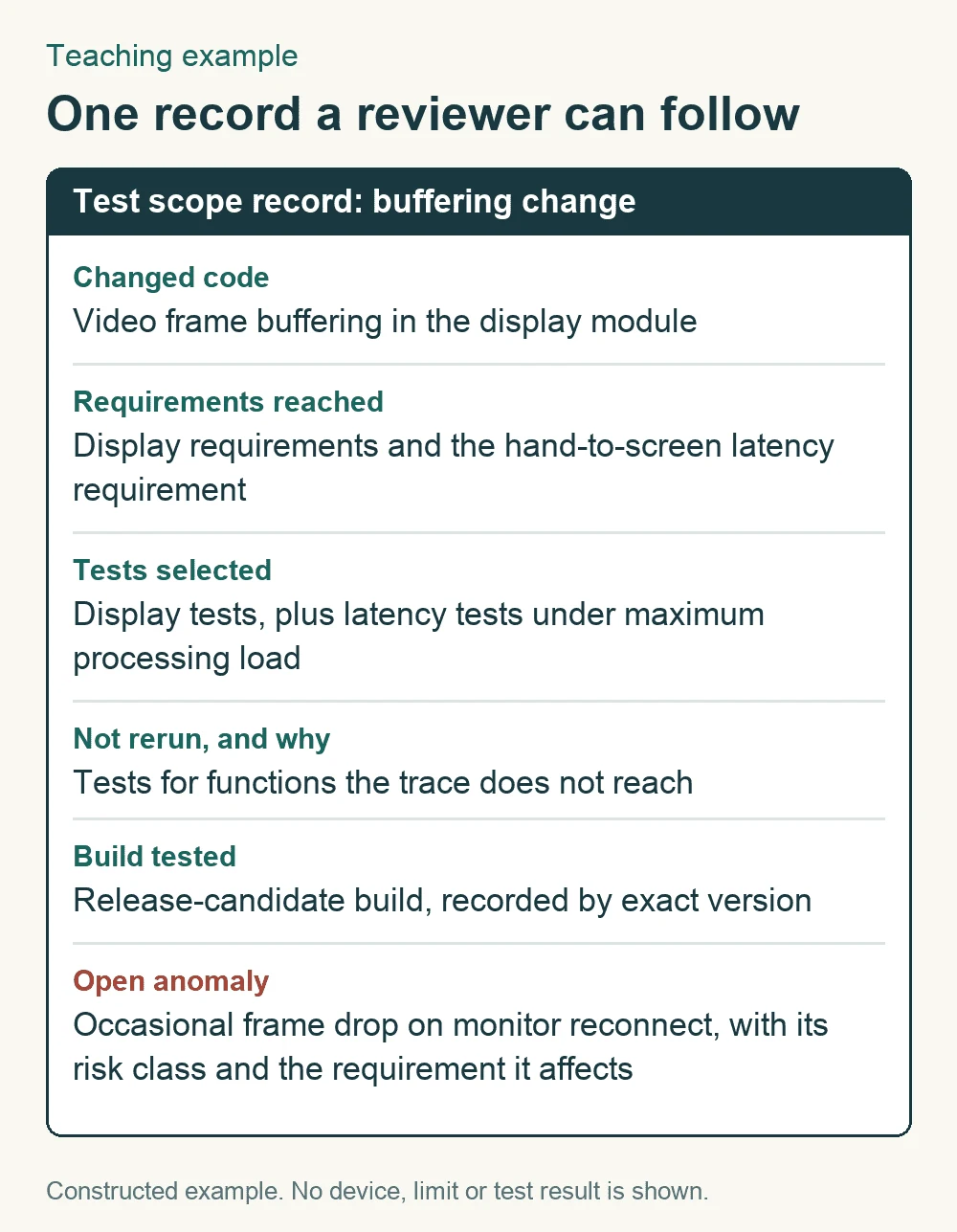
Keep the version, the scope reasons and the open anomaly in one place. A reviewer can follow the decision without asking the team.
Take a QA lead whose team uses risk-based testing to plan each sprint. Every story gets a risk score, the team tests the high scorers first, and the low scorers…
You have read this